Material Composition and Durability
The primary decision factor when selecting Carlisle trays is the material. Most professional trays fall into two categories: heavy-duty plastic and specialized composites. High-density polyethylene or similar reinforced plastics are standard for cafeteria use because they resist cracking under the weight of heavy meal trays and are virtually impervious to the chemical sanitizers used in commercial dishwashers. When evaluating a tray, consider its 'impact resistance.' A tray that flexes too much under weight will cause liquids to slosh, while a tray that is too rigid may crack if dropped on a hard kitchen floor. Look for materials that offer a balance of structural integrity and slight flexibility.
Surface Texture and Grip
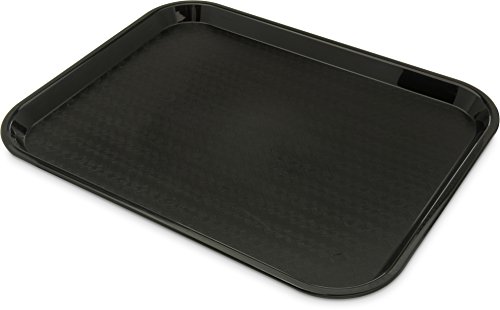
One of the most overlooked aspects of tray selection is the surface finish. In a busy dining room, moisture is inevitable. A smooth, polished tray might look elegant, but it becomes a liability the moment a drink spills or condensation forms from a cold plate. Professional-grade trays often feature a textured or 'non-slip' surface. This micro-texture increases friction between the tray and the plates or glassware, significantly reducing the risk of sliding during transport. When choosing, consider the environment: if you are serving high-end plated meals, a subtle texture is preferred to maintain aesthetics. If you are in a fast-paced buffet or cafeteria, a more aggressive non-slip pattern is essential for safety.
Edge Design and Ergonomics
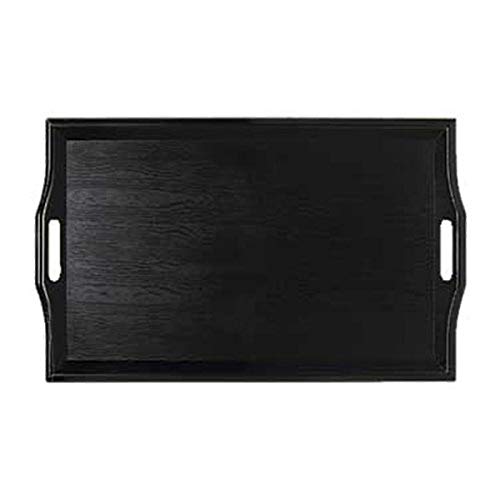
The rim or edge of the tray dictates how comfortable a server will be during a long shift. Raised edges are vital for containing spills and preventing items from sliding off the perimeter. However, the profile of that edge matters. A sharp, squared-off edge can dig into a server's forearms or hands, leading to fatigue and potential injury. Look for trays with rounded, ergonomic edges that allow for a more natural grip. Additionally, consider the weight of the tray itself. While a heavier tray feels more premium, it adds unnecessary strain to staff during repetitive movement. The goal is a tray that feels substantial enough to be stable but light enough to facilitate rapid movement.
Size and Capacity Optimization
Before ordering, you must audit your standard plateware and meal configurations. A tray that is too small will force servers to balance items precariously, while a tray that is too large becomes unwieldy in narrow aisles or crowded dining areas. For standard cafeteria service, rectangular trays that accommodate a main dish, a side, and a beverage container are the industry standard. For banquet or catering service, circular trays may be more appropriate for passing hors d'oeuvres or drinks. Always calculate the 'footprint' of your largest meal combination to ensure the tray provides a safety margin around the edges.
Maintenance and Sanitation Standards
In any foodservice setting, hygiene is non-negotiable. Ensure the trays you select are rated for high-temperature commercial dishwashing. Some lower-quality plastics can warp or become cloudy over time when exposed to intense heat and harsh detergents. A high-quality tray should maintain its color and structural shape through hundreds of wash cycles. Furthermore, check that the surface is non-porous. Porous surfaces can harbor bacteria and are difficult to sanitize effectively, which can lead to compliance issues during health inspections.