Prioritizing Material Integrity and Moisture Resistance
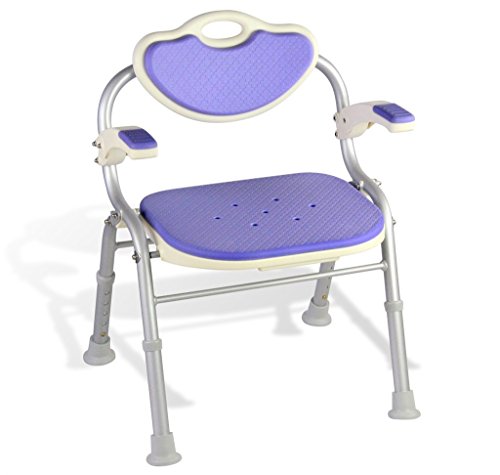
In a shower environment, the primary enemy is constant exposure to humidity and direct water contact. When selecting a bench, the material composition is the most critical factor for longevity. High-quality benches typically utilize reinforced aluminum frames or heavy-duty, non-corrosive composites. Aluminum is a premier choice because it is naturally resistant to rust and provides a lightweight yet sturdy foundation. For the seating surface, look for high-density plastics or treated woods that are specifically engineered to resist mold, mildew, and warping. Avoid any materials that feel porous, as these will inevitably trap bacteria and become difficult to sanitize over time.
Evaluating Stability and Load Capacity
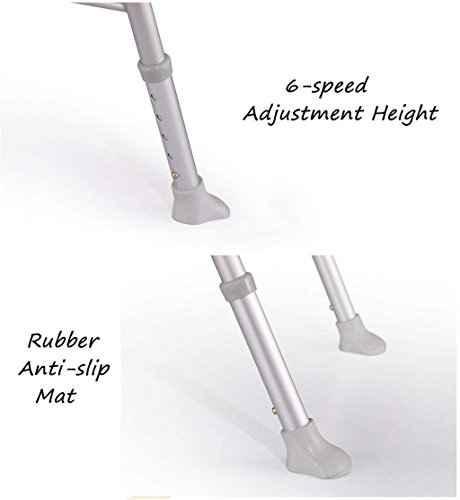
A shower bench is a safety device first and a piece of furniture second. You must consider the weight capacity to ensure the bench can handle not just your body weight, but the dynamic movements of sitting down and standing up. Look for wide, non-slip rubber feet that grip the shower floor securely. These prevent the bench from sliding outward when you apply pressure. Furthermore, check the structural design of the legs. Tapered legs offer a sleek look but may sacrifice some lateral stability compared to straight, reinforced vertical supports. A bench that feels 'wobbly' even slightly is a liability in a wet, slippery environment.
Measuring for Spatial Optimization
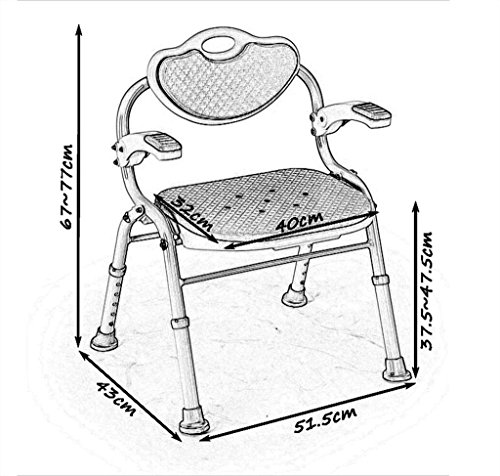
Before finalizing a purchase, you must perform a precise measurement of your shower enclosure. There are two primary styles to consider: freestanding benches and corner-mounted units. Freestanding benches offer maximum flexibility, allowing you to move them around as needed, but they require a larger clear floor area. Corner benches are exceptional for maximizing space in smaller walk-in showers, utilizing the natural geometry of the room to provide seating without obstructing the walking path. Pay close attention to the 'footprint' of the bench—the total area the legs occupy—to ensure you still have enough room to maneuver your feet safely while seated.
Ergonomics and Comfort Features
Not all benches are created equal in terms of user experience. If you plan to use the bench for extended periods, such as during long soak sessions or detailed shaving, look for contoured seating surfaces that follow the natural curve of the body. Some models offer backrests, which significantly increase stability and comfort for users who need extra lumbar support. Additionally, consider the height of the bench. A seat that is too low can make standing up difficult, while a seat that is too high may cause your legs to dangle, creating a sensation of instability. Aim for a seat height that allows your feet to rest flat on the shower floor while your hips and knees are at a comfortable, relaxed angle.
Maintenance and Hygiene Considerations
Finally, consider how easy the bench will be to clean. Smooth, non-porous surfaces are the gold standard for hygiene. Look for designs with minimal crevices or complex decorative elements where soap scum and biofilm can accumulate. A simple, streamlined design not only looks more modern but is significantly easier to wipe down with standard bathroom cleaners, ensuring your shower remains a sanitary environment.