Measuring for Scale and Proportion
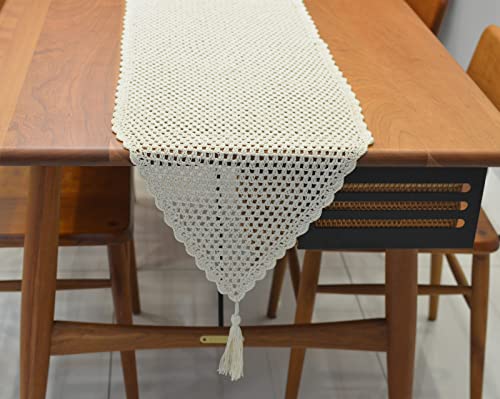
The most common mistake when selecting a table runner is choosing a length that disrupts the visual symmetry of the room. A runner should never be so short that it looks like an afterthought, nor so long that it becomes a tripping hazard. For a standard rectangular or oval dining table, aim for a runner that overhangs each end by approximately 6 to 12 inches. This 'drop' creates a sense of elegance and intentionality. If you are using the runner for a buffet or a console table, you can opt for a more minimal look with less overhang, but for formal dining, the drape is essential to the silhouette.
Material and Texture Selection
The fabric you choose dictates how the runner interacts with light and how it handles daily wear. If you are aiming for a rustic, farmhouse, or bohemian aesthetic, look for linen-blend textures. These materials offer a beautiful, organic drape and a slight tactile irregularity that feels warm and inviting. For more formal settings, heavier weaves or high-density fabrics provide a structured look that stays in place even when heavy centerpieces are added. Consider the 'hand' of the fabric—how it feels to the touch—as this will influence the perceived quality of your table setting. A high-quality runner should feel substantial, not flimsy or translucent.
Color Palette and Pattern Integration
When selecting a color, consider the existing finish of your tabletop. Dark wood tables benefit from lighter, neutral tones like cream, oatmeal, or soft grey to create contrast. Conversely, glass or white marble tables can handle bolder, deeper hues or intricate patterns to add warmth. If your dining room is already heavily patterned with wallpaper or upholstery, a solid-colored runner acts as a visual palate cleanser. However, if your space is monochromatic, a runner with a subtle geometric or floral motif can serve as the primary focal point of the room. Always test the color under both natural daylight and warm evening lamp light, as textiles can shift significantly in tone.
Functionality and Maintenance
Beyond beauty, a runner must be practical. Think about the frequency of use. If this is a daily-use piece for a family kitchen, prioritize fabrics that are machine washable and resistant to staining. If it is a seasonal piece reserved for holidays, you can prioritize more delicate weaves that require hand-washing. Additionally, consider the weight of the fabric. A lightweight runner may slide around easily if the table surface is polished, whereas a heavier weight will provide better friction and stay centered during meals.
Decision Logic: The Quick Checklist
To make your final decision, follow this hierarchy of needs: First, confirm the length matches your table dimensions. Second, select a material that complements your decor style (linen for casual, structured weave for formal). Third, choose a color that provides intentional contrast against your tabletop. Finally, verify that the care instructions align with your lifestyle. By following this structured approach, you ensure your Simhomsen runner serves as a lasting centerpiece rather than a temporary decoration.