Determine Your Desired Aesthetic Style
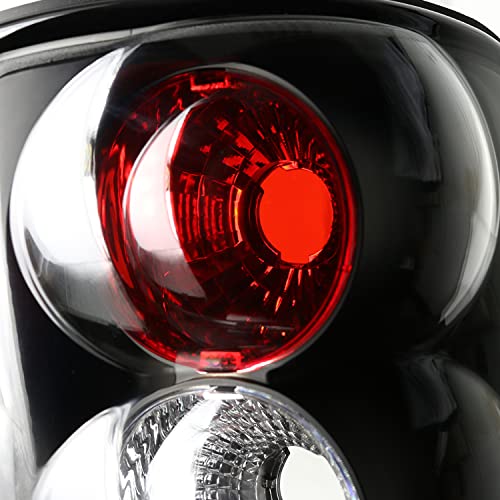
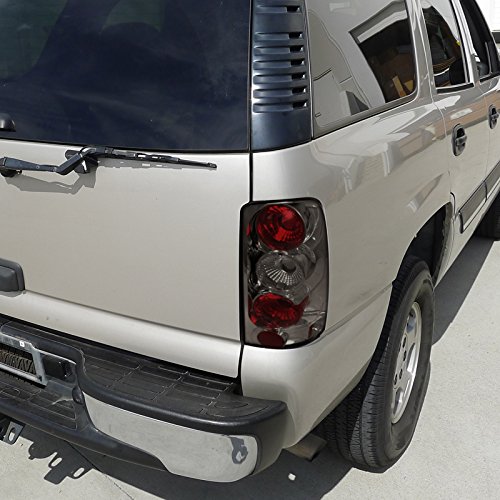
The first decision in selecting a Spec-D Tuning assembly is the visual theme. Most enthusiasts fall into one of three camps. First is the 'Smoked' look, where the lens has a dark tint. This is ideal for blacked-out or dark-colored vehicles, providing a stealthy, integrated appearance. However, be aware that darker lenses can slightly reduce the perceived brightness of the light at night. Second is the 'Clear' or 'Altezza' style, which offers a high-contrast, bright look that pops against lighter paint jobs. Finally, there are 'Chrome' or 'Silver' housings, which provide a more OEM-plus feel, looking like a premium factory upgrade rather than an aftermarket modification. Choose a style that complements your vehicle's trim and overall color palette.
LED vs. Halogen Internal Configuration
One of the most critical technical decisions is whether you want an LED-integrated assembly or a traditional halogen-based housing. LED assemblies offer several advantages: they consume less power, have a much longer lifespan, and provide a sharper, more immediate light response. Many modern Spec-D assemblies feature LED strips that create a 'light bar' effect, which significantly increases your vehicle's visibility to following drivers. If you prefer a more traditional, warm glow, halogen assemblies are available, but they often require more frequent bulb changes and lack the crispness of LED technology. For most modern tuning projects, an LED-based assembly is the superior long-term investment.
Plug-and-Play Compatibility and Wiring
When shopping for assemblies, always verify the mounting and wiring specifications. Most Spec-D Tuning products are designed to be 'plug-and-play,' meaning they utilize your vehicle's existing wiring harness without requiring you to cut or splice wires. This is vital for maintaining the integrity of your electrical system and ensuring you don't void any existing warranties. However, if you are upgrading from standard bulbs to high-intensity LEDs, you may encounter 'hyper-flashing'—a condition where the turn signal blinks much faster than normal due to the lower power draw. Check if the assembly includes built-in resistors to prevent this, or if you will need to install load resistors separately to ensure a smooth, rhythmic signal.
Lens Material and Weather Sealing
Tail lights are constantly exposed to road debris, UV rays, and extreme weather. When evaluating an assembly, look for high-quality polycarbonate lenses. Polycarbonate is much more impact-resistant than standard plastic and is less likely to crack from a pebble hit on the highway. Additionally, ensure the assembly features high-quality rubber gaskets and a sealed housing design. A poorly sealed unit will allow moisture to seep in, leading to condensation inside the lens. Condensation not only looks unprofessional but can also cause the internal electronics to corrode and fail prematurely. A premium assembly should feel heavy and well-constructed, with tight seams around the housing edges.
Integration with Vehicle Safety Features
Finally, consider how the new lights interact with your vehicle's smart features. If your car has advanced driver-assistance systems (ADAS) or specific reverse-sensing logic, ensure the assembly's reverse light brightness is sufficient to illuminate your surroundings without causing electrical interference. A high-quality assembly will provide a bright, clear white light for reversing, which is a crucial safety component that is often overlooked in favor of purely aesthetic upgrades.