Understanding Protection Ratings: Steel vs. Composite Toe
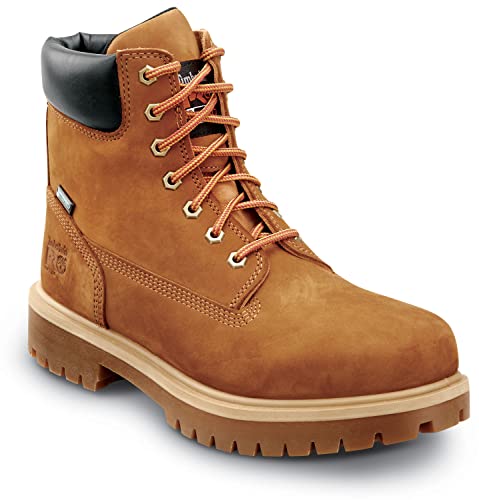
The most fundamental decision in selecting work safety footwear is the type of toe protection required by your job site. Steel toe boots offer the highest level of impact and compression resistance, making them ideal for heavy construction or warehouse roles where massive objects might fall. However, steel is heavy and conducts temperature, which can make your feet feel cold in winter or hot in summer. If you work in environments requiring metal detectors (such as security or high-tech manufacturing) or if you need a lighter, more temperature-neutral option, composite toe is the superior choice. Composite toes are made from non-metallic materials like carbon fiber or high-density plastics, providing excellent protection without the weight or thermal conductivity of steel.
Slip Resistance and Outsole Engineering
In many industrial settings, the greatest threat isn't a falling object, but a slip on an oil-slicked or wet floor. When browsing Timberland Uniforms options, look closely at the outsole pattern and material. High-quality work shoes utilize specialized rubber compounds designed to grip various surfaces. Look for 'slip-resistant' ratings that specifically mention resistance to oil and water. A deep, multidirectional tread pattern is essential for dispersing liquids and maintaining traction on uneven ground. If your job involves constant movement on polished concrete, prioritize an outsole with a high coefficient of friction to prevent fatigue and accidents.
Puncture Resistance and Midsole Integrity
Beyond the toes, the bottom of your shoe is a shield. In environments where nails, shards of metal, or glass are common, a puncture-resistant midsole is non-negotiable. Some models feature a steel plate, while others use a flexible ballistic nylon or Kevlar layer. The advantage of the latter is that it provides the same level of protection while allowing for much greater flexibility, which reduces foot fatigue during long shifts. Always consider the specific hazards of your floor surface before deciding between a rigid plate and a flexible protective layer.
Breathability, Support, and Long-Term Comfort
Safety footwear is often heavier than standard athletic shoes, which can lead to significant leg fatigue if the ergonomics are poorly designed. Look for footwear that incorporates advanced cushioning technology in the heel and arch to absorb shock from hard surfaces. Breathability is equally vital. Moisture buildup inside a heavy boot can lead to blisters and fungal issues. Seek out models that utilize moisture-wicking linings or waterproof yet breathable membranes. A waterproof membrane keeps external liquids out while allowing internal heat and perspiration to escape, ensuring your feet stay dry and comfortable throughout a ten-hour shift.
Summary Recommendation Logic
To make the final selection, use this hierarchy: First, identify your mandatory safety requirements (Steel vs. Composite). Second, assess your environmental hazards (Oil/Water = Slip Resistance. Nails = Puncture Resistance). Third, evaluate your physical needs (Long shifts = High cushioning and breathability). By following this logical progression, you ensure that your Timberland Uniforms footwear provides the specialized protection your career demands.