Understanding Protection Standards: Toe Caps and Impact Resistance
The most fundamental decision in selecting safety shoes is the type of impact protection required. Most professionals gravitate toward steel toe protection due to its slim profile and high level of puncture and crush resistance. However, if your work environment involves frequent exposure to extreme temperatures or electromagnetic fields, you should consider composite toe technology. Composite toes utilize non-metallic materials like carbon fiber or high-density plastics, making them lighter and more thermally insulating than steel. When choosing, evaluate whether you need a standard safety toe or an enhanced impact rating designed to withstand much heavier falling objects, which is common in heavy manufacturing and demolition.
Outsole Engineering and Slip Resistance
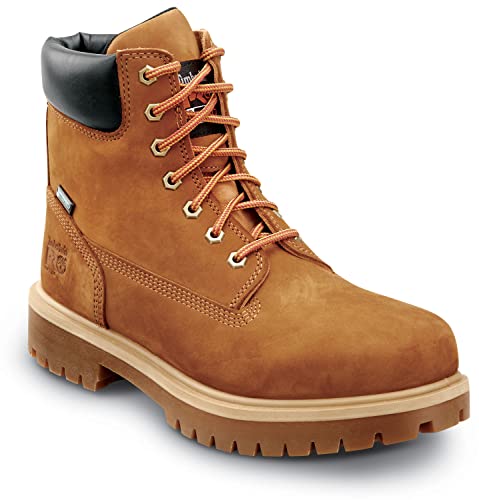
A significant portion of workplace injuries stems from slips, trips, and falls. When reviewing Timberland PRO options, pay close attention to the outsole composition. Look for specialized rubber compounds that are specifically rated for oil and slip resistance. For those working in environments with liquid spills, such as kitchens or automotive shops, a multidirectional tread pattern is essential to channel fluids away from the contact point, maintaining traction. Furthermore, consider the durability of the outsole. A lugged pattern provides better grip on loose soil and gravel, whereas a flatter, more refined tread is better suited for smooth warehouse floors.
Internal Support and Fatigue Management
Safety footwear is notoriously heavy, which can lead to significant leg and back fatigue over time. To combat this, look for shoes that incorporate advanced anti-fatigue technology. This typically involves an internal cushioning system designed to absorb the shock of every step and return that energy to the foot. Beyond simple padding, the structural integrity of the arch support is vital. A shoe that lacks proper longitudinal arch support will cause your foot to overpronate, leading to plantar fasciitis or knee pain. High-quality work boots should feel stable from the moment you lace them up, providing a firm foundation that doesn't collapse under the weight of heavy loads.
Material Durability and Weatherproofing
The upper material of your shoe determines how well it will hold up against abrasion and environmental elements. Full-grain leather is the gold standard for durability and natural water resistance, making it ideal for outdoor construction work. If you work in damp or unpredictable climates, ensure the footwear features a waterproof membrane to keep moisture out while allowing internal perspiration to escape. For those in lighter-duty uniform roles, synthetic uppers may offer more breathability and a lower weight, but they may not offer the same longevity in harsh, abrasive environments.
Decision Logic: Matching the Shoe to the Trade
To make the final selection, categorize your primary work environment. If you are a heavy laborer on a construction site, prioritize a high-cut boot with maximum ankle stability and a steel or composite toe. If you are a technician or warehouse worker moving between indoor and outdoor spaces, a mid-cut or low-cut shoe with enhanced breathability and slip-resistant outsoles will offer the best balance of protection and mobility. Always prioritize safety ratings over aesthetics. A shoe that looks good but lacks the necessary puncture resistance or slip rating is a liability on the job site.