Understanding Temperature Capabilities
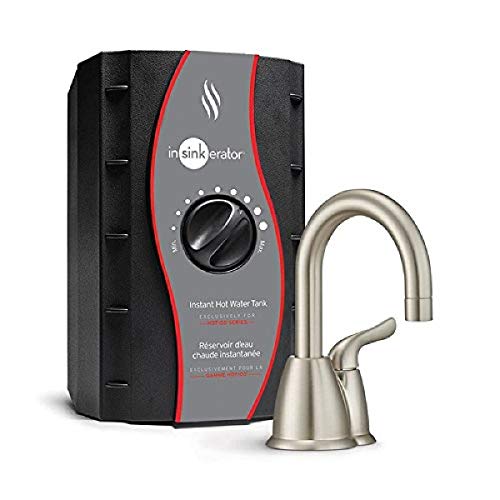
The first decision you must make is defining your temperature needs. Insinkerator dispensers generally fall into two categories: single-temperature and multi-temperature systems. Basic models are often designed to provide either instant boiling water for tea and cooking, or chilled water for refreshing drinks. However, if you want a true 'all-in-one' experience, you should look for integrated systems that offer a spectrum of temperatures. Some high-end configurations allow for sparkling water alongside chilled and boiling options, which can significantly reduce plastic waste in your household. Consider your daily habits: if you are a heavy tea drinker, a dedicated boiling water unit is essential. If you host many social gatherings, a sparkling water option becomes a game-changer.
Filtration Integration and Water Quality
A dispenser is only as good as the water passing through it. Most Insinkerator systems are designed to work in tandem with high-quality filtration systems. When shopping, check whether the dispenser requires a specific proprietary filter or if it is compatible with universal carbon block filters. A robust filtration system is critical not just for taste, but for protecting the internal components of the dispenser from mineral buildup and scale. Look for systems that offer easy-to-change filter cartridges, as this ensures long-term maintenance won't become a chore. High-quality filtration will remove chlorine, sediment, and heavy metals, ensuring that every glass of water is as pure as it is convenient.
Installation Requirements and Space Constraints
Unlike a standard kitchen faucet, water dispensers require significant under-sink real estate. You must account for the space needed for the heating tank, the cooling tank, and the filtration canisters. Before purchasing, measure your cabinet clearance carefully. Some models feature compact tanks designed for smaller kitchens, while premium multi-stage systems may require a larger footprint. Additionally, consider your plumbing setup. Most dispensers require a dedicated connection to your cold water line, and some may require an electrical outlet under the sink to power the heating and cooling elements. If your sink area is already crowded with a garbage disposal and a standard faucet, opt for a model with a slim tank profile.
Faucet Design and Ergonomics
Since the dispenser faucet will be a permanent fixture on your countertop, its aesthetic and ergonomic qualities are paramount. Insinkerator offers various finishes to match existing kitchen hardware, from brushed stainless steel to matte black. Beyond looks, consider the lever mechanism. A single-lever design is often more intuitive for controlling flow and temperature, whereas dual-lever models can provide more precise control but may take up more visual space. Ensure the faucet height is appropriate for your sink depth to prevent splashing, especially when filling larger pots with boiling water.
Maintenance and Longevity
To ensure your dispenser lasts, prioritize models known for their build quality and ease of service. Look for features like 'auto-shutoff' for boiling units to prevent accidental overheating and 'tank insulation' to maintain temperature efficiency. A well-insulated tank will consume less electricity by maintaining the desired temperature for longer periods. Finally, always check the availability of replacement parts and filters in your region to ensure that maintaining your system remains cost-effective over its lifespan.