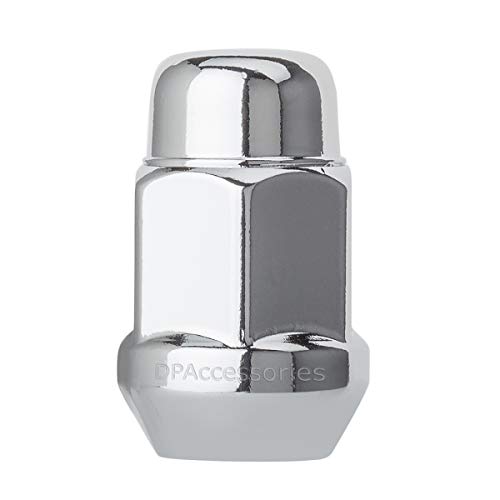
Material Composition and Alloy Grades
When shopping for copper acorn nuts, the first thing to understand is that 'copper' is often a broad term. Pure copper is exceptionally soft and ductile, which makes it excellent for electrical conductivity but potentially problematic for high-torque mechanical applications. Most high-quality acorn nuts are actually made from copper alloys, such as brass or bronze, which incorporate zinc or tin to increase hardness and tensile strength. If your project involves structural tension, look for bronze-based acorn nuts, as they offer superior resistance to deformation. If the primary goal is corrosion resistance in saltwater environments or aesthetic luster in interior design, high-purity copper or specific brass blends may be more appropriate. Always verify the specific alloy intended for your application to prevent stripping the threads under load.
Thread Pitch and Fitment Precision
An acorn nut is useless if it cannot seat perfectly against its mating bolt. Because copper is a softer metal than steel, the margin for error in thread pitch is much slimmer. A mismatch in thread pitch (such as mixing Metric and Imperial/SAE) will not only result in a failed connection but can actually gouge and permanently damage the softer copper threads. When selecting your nut, ensure you are matching the exact diameter and the specific threads-per-inch (TPI) of your existing hardware. For critical applications, look for nuts that specify high-tolerance machining. A well-made acorn nut should spin onto the bolt smoothly by hand; if you feel immediate resistance, the threads are likely misaligned or poorly manufactured.
Corrosion Resistance and Environmental Suitability
One of the primary reasons to opt for copper over stainless steel or zinc-plated steel is the way copper interacts with its environment. In marine environments, copper develops a protective patina (the greenish hue seen on old statues) that actually shields the underlying metal from deep structural decay. However, if you are using these nuts in a decorative capacity where a 'new penny' shine is required, you must consider the finish. Some copper nuts are lacquered to prevent oxidation, while others are left raw to allow for natural aging. If your application involves contact with different metals, be wary of galvanic corrosion. Pairing a copper nut with a stainless steel bolt in a moist environment can cause an electrochemical reaction that degrades the components. For best results, try to match the nut material to the bolt material whenever possible.
Aesthetic Finish and Decorative Use
Because acorn nuts feature a smooth, rounded top, they are frequently used in architectural hardware, furniture, and marine decor where exposed bolt heads would look unsightly. If the nut is intended to be a visible design element, pay close attention to the surface finish. Some manufacturers offer brushed, polished, or antique finishes. A polished finish will reflect light beautifully but requires regular maintenance to prevent tarnishing. An antique or oil-rubbed finish is much more forgiving and hides fingerprints and minor scratches more effectively. Consider the overall design language of your project: a high-polish nut suits modern, luxury aesthetics, while a matte or weathered finish works better for rustic or nautical themes.