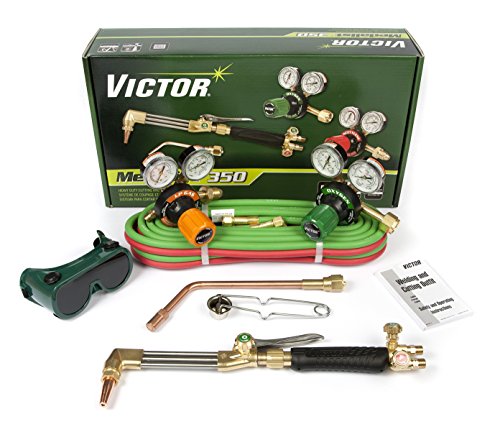
Understanding Torch Configurations and Applications
The first step in selecting an ESAB torch is identifying your primary application. Gas welding torches generally fall into two categories: welding torches designed for fusion and brazing, and cutting torches designed for thermal separation. Welding torches focus on a concentrated, neutral flame that allows for precise heat application to a joint. If your work involves thin-gauge sheet metal, you will need a torch with fine-tuned needle valves for delicate control. Conversely, if you are working with thicker sections, you require a torch capable of delivering higher BTU output without losing flame stability. Always match the torch capacity to the thickness of the material you intend to work with most frequently.
Key Decision Factor: Ergonomics and Heat Management
One of the most overlooked aspects of torch selection is the handle design. ESAB is renowned for its ergonomic grips, but you should look specifically for models that offer superior thermal insulation. A torch that becomes uncomfortably hot during extended use will lead to hand fatigue and decreased precision. Look for handles featuring high-grade, heat-resistant polymers or specialized cooling fins. Additionally, consider the weight distribution. A well-balanced torch allows you to maintain a steady hand, which is critical when performing intricate beads or navigating tight corners in a fabrication project.
Gas Mixing and Control Precision
The quality of your weld is directly tied to how accurately you can mix oxygen and fuel gas (such as acetylene or propane). High-end ESAB torches feature precision-machined valves that provide smooth, incremental adjustments rather than jerky, sudden changes in flame intensity. When evaluating a torch, check the responsiveness of the control knobs. You want a torch that allows for a seamless transition from a carburizing flame to a neutral flame. Furthermore, consider the type of connections used. Standardized, high-quality fittings ensure that you can swap out hoses and accessories without the risk of gas leaks, which are both a safety hazard and a significant operational cost.
Durability and Maintenance Requirements
Because welding torches are subjected to extreme temperature fluctuations and physical impact, material composition is vital. Look for torches constructed with heavy-duty brass bodies and reinforced nozzles. The longevity of the torch often depends on how easily the internal components can be serviced. A professional-grade torch should allow for the easy replacement of O-rings, gaskets, and tips. If a torch is designed as a closed system that cannot be repaired, a single minor leak could render the entire unit obsolete. Prioritize models that offer modularity, allowing you to replace wear-and-tear parts without replacing the entire assembly.
Summary Recommendation Logic
To make your final decision, follow this logic: Start by defining your material thickness. If you are a hobbyist working with light metals, prioritize ease of use and fine control. If you are a professional fabricator, prioritize heat dissipation, heavy-duty construction, and the ability to handle high gas volumes. Always verify that the torch is compatible with your existing regulator and hose setups to ensure a seamless integration into your current welding station.