Understanding Material Compatibility
The most fundamental decision in selecting fittings is matching the material to the medium being transported. For potable water systems, food-grade plastics or stainless steel are non-negotiable to prevent leaching. In industrial settings involving aggressive chemicals, you must look toward specialized polymers like CPVC or high-density polyethylene (HDPE), or corrosion-resistant alloys. If you are working with high-temperature fluids, ensure the fitting is rated for thermal expansion. Standard PVC will soften and fail under heat, whereas CPVC or metal fittings will maintain structural rigidity. Always cross-reference the chemical compatibility chart of your fluid with the fitting material to prevent premature degradation.
Connection Types and Sealing Methods
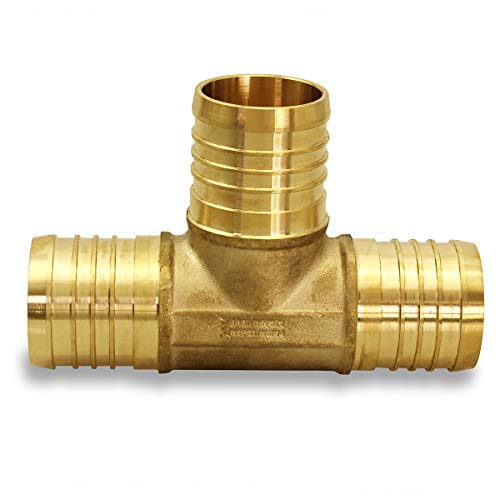
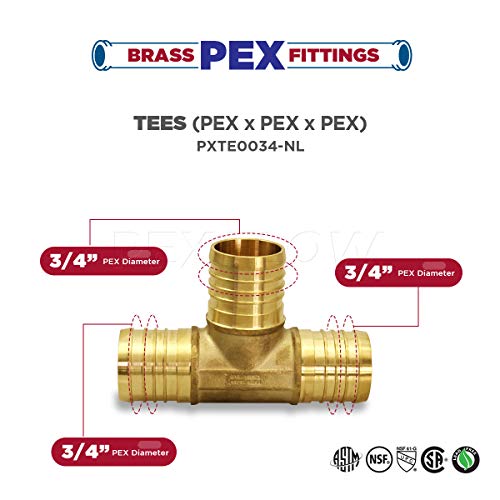
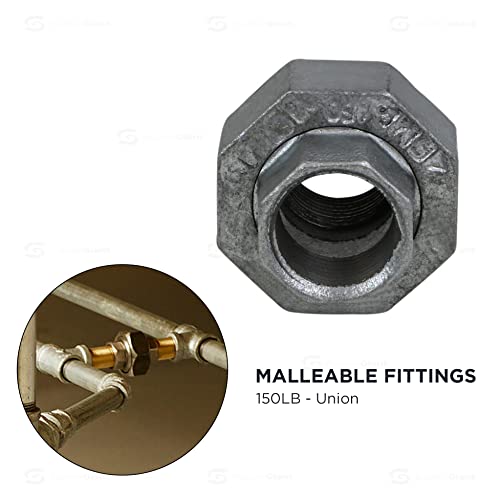
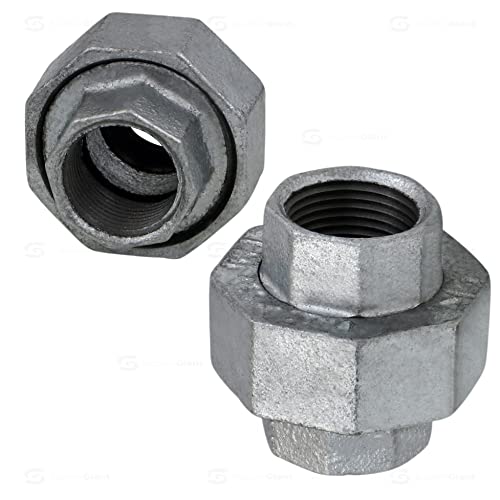
How a fitting attaches to a pipe determines the system's leak resistance and ease of installation. For permanent, high-pressure installations, solvent welding (chemical bonding) is common in plastic systems, providing a seamless, leak-proof joint. However, for systems requiring frequent maintenance or modularity, mechanical connections are superior. Threaded fittings are reliable for smaller diameter large-scale lines, but for very large diameters, flanged connections are the industry standard. Flanges allow for heavy-duty bolting, which provides immense clamping force suitable for high-pressure industrial environments. If you are working with flexible piping, compression fittings or barbed connectors may be more appropriate, though they generally handle lower pressures than flanged or threaded options.
Pressure Ratings and Schedule Standards
Never assume a fitting is compatible with your pipe simply because they share a diameter. You must verify the pressure rating, often expressed in PSI (pounds per square inch). A common mistake is using a low-pressure fitting on a high-pressure line, which can lead to explosive decompression. Furthermore, pay close attention to 'Schedule' ratings (such as Schedule 40 or Schedule 80). Schedule 80 fittings have thicker walls and can withstand significantly higher pressures and mechanical stresses than Schedule 40. When designing a system, always select fittings that meet or exceed the maximum anticipated surge pressure of your pumps and valves.
Dimensional Accuracy and Standards Compliance
In large-scale plumbing, precision is paramount. Fittings must adhere to strict dimensional standards to ensure they mate perfectly with your existing infrastructure. Look for fittings that comply with recognized industry standards for diameter and wall thickness. If your system uses metric piping, ensure your fittings are not accidentally sourced in imperial measurements, as even a millimeter of discrepancy can cause a failure under load. High-quality fittings will feature clean, consistent threading and smooth internal bores to minimize turbulence and pressure drops within the system.
Summary of Selection Logic
To make the right choice, follow this hierarchy: First, identify the fluid and its temperature to select the material. Second, determine the required pressure rating based on your pump capacity. Third, choose the connection method (flanged, threaded, or solvent) based on whether the system needs to be permanent or modular. Finally, verify that the Schedule/thickness matches your piping to ensure structural uniformity.