Identify Your Material Compatibility
The most critical step in selecting a fitting is matching it to the pipe material you are currently using. Plumbing systems are rarely monolithic. You may be transitioning from copper to PEX, or connecting PVC to galvanized steel. Fittings are engineered for specific material pairings. For instance, copper fittings are typically designed for soldering (sweating) or compression, whereas PEX fittings rely on crimping or expansion technology. Attempting to use a fitting designed for one material on a different substrate—even if the diameter seems correct—will almost certainly result in a failure. Always verify if the fitting is intended for metallic, plastic, or composite piping before purchase.
Understand Connection Methods
How a fitting attaches to a pipe determines the difficulty of the installation and the long-term reliability of the joint. There are several primary connection methods to consider:
- Threaded Connections: Common in heavy-duty applications like iron or PVC, these rely on screw-on threads. You must account for sealing agents like Teflon tape or pipe dope to ensure a watertight seal.
- Push-to-Connect: These are ideal for DIY enthusiasts and quick repairs. They require no special tools and use internal O-rings to grip the pipe, though they may not be suitable for high-pressure or high-temperature industrial lines.
- Compression Fittings: These use a nut and a ferrule (a small ring) to create a seal. They are excellent for tightening connections without needing to solder or glue.
- Solvent Weld (Cementing): Primarily used for PVC and CPVC, this involves a chemical reaction that fuses the fitting and pipe into a single continuous piece.
- Crimp/Clamp: Standard for PEX systems, these require specific tools to secure a metal ring around the pipe and fitting.
Evaluate Material Durability and Environment
The environment in which the fitting will reside dictates the material choice. For potable (drinking) water, ensure all fittings are rated for safe contact with water. If you are working on an outdoor irrigation system, look for UV-resistant plastics or corrosion-resistant metals like brass or stainless steel to withstand exposure to the elements. For high-temperature applications, such as hot water supply lines, avoid standard PVC in favor of CPVC or copper, as standard plastics can soften and deform under heat, leading to sudden bursts.
Size and Geometry Precision
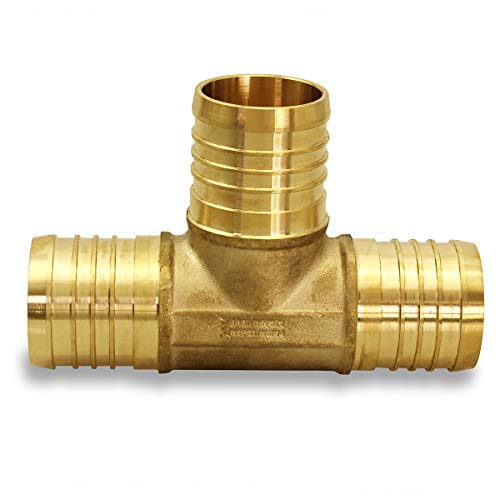
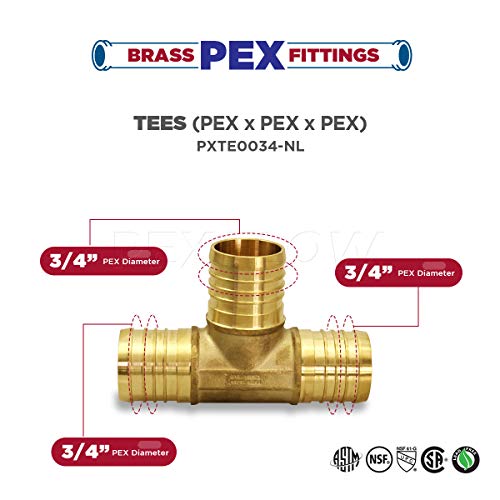
Fittings are categorized by their nominal diameter. It is a common mistake to assume that a 'half-inch' fitting will fit any half-inch pipe. You must distinguish between the Inside Diameter (ID) and Outside Diameter (OD). Furthermore, pay close attention to the geometry: do you need an elbow (90 or 45 degrees) to navigate a corner, a tee to split a line, a coupling to extend a straight run, or a reducer to transition between two different pipe sizes? Selecting the correct geometric configuration prevents the need for awkward, makeshift bends that restrict water pressure.
Recommendation Logic
When deciding, follow this hierarchy: First, define the pipe material. Second, determine the required connection method based on your available tools. Third, select a material that resists the specific environmental stressors (heat, UV, or chemicals) of your project. Finally, always opt for high-quality brass or heavy-duty reinforced plastics over thin-walled alternatives to ensure the longevity of your plumbing infrastructure.