#TOP1

Selecting the right SQL database is one of the most consequential architectural decisions a developer or CTO can make. Unlike NoSQL alternatives that prioritize horizontal scaling and schema flexibility, SQL databases are built on the bedrock of ACID compliance (Atomicity, Consistency, Isolation, Durability) and relational integrity. Choosing a database is not merely about finding a place to store rows and columns. It is about selecting the engine that will govern your data's reliability, your application's concurrency, and your team's ability to evolve the schema over time.
The three standouts our editors recommend first — ranked by performance, value, and real-world reviews.


Python Programming and SQL: The Definitive Guide for Beginners to Learn Python and SQL in 7 Days with Step-by-Step Guidance and Hands-On Exercises
| SELLER | SELLER SCORE | AMAZON FULFILLED | PRIME | FREE SHIPPING |
|---|---|---|---|---|
| Amazon.com | 9.68 | Yes | Yes | Yes |
Mastering two of the most critical languages in modern data science doesn't actually require months of grueling study. This guide challenges the idea that learning Python and SQL is a slow, arduous process by condensing the essentials into a rapid seven-day framework. I found the structure particularly effective because it moves beyond theory, forcing you to engage with hands-on exercises immediately. Instead of getting lost in dense documentation, you follow a step-by-step path designed to build confidence quickly. It is a practical, high-velocity approach for anyone looking to bridge the gap between basic coding logic and database management without the typical academic bloat.


| SELLER | SELLER SCORE | AMAZON FULFILLED | PRIME | FREE SHIPPING |
|---|---|---|---|---|
| Amazon.com | 9.68 | Yes | Yes | Yes |

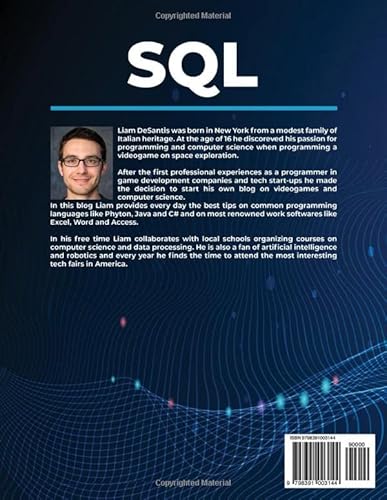
SQL [6 BOOKS in 1]: The Ultimate Beginner to Advanced Guide to Master SQL Quickly with Step-by-Step Practical Examples | Includes Interview Questions...
| SELLER | SELLER SCORE | AMAZON FULFILLED | PRIME | FREE SHIPPING |
|---|---|---|---|---|
| Amazon.com | 9.68 | Yes | Yes | Yes |
Can a single collection truly bridge the massive gap between writing your first query and mastering complex database management? This six-book bundle from UrGod attempts exactly that, providing a structured roadmap for anyone serious about data science or backend development. Instead of forcing you to hunt down separate manuals, it bundles everything from foundational basics to advanced techniques into one cohesive learning path. I found the inclusion of practical, step-by-step examples particularly helpful because it moves beyond dry theory and into real-world application. To top it off, the dedicated section on interview questions and answers makes it a practical tool for career advancement rather than just a textbook. It is a dense, high-value resource for building a professional SQL toolkit.


SQL QuickStart Guide: The Simplified Beginner's Guide to Managing, Analyzing, and Manipulating Data With SQL
| SELLER | SELLER SCORE | AMAZON FULFILLED | PRIME | FREE SHIPPING |
|---|---|---|---|---|
| Amazon.com | 9.68 | Yes | Yes | Yes |
You are staring at a massive, disorganized spreadsheet and realize that manual filtering is no longer a viable way to extract the insights your team needs. This is exactly where the SQL QuickStart Guide steps in to rescue your workflow. ClydeBank Media LLC has crafted a resource that strips away the intimidating jargon often found in database manuals, focusing instead on the practicalities of managing and manipulating data. It functions less like a dry textbook and more like a roadmap for navigating complex datasets. Whether you are trying to run your first query or need a refresher on data analysis techniques, this guide provides a streamlined path toward technical competence without the usual steep learning curve.
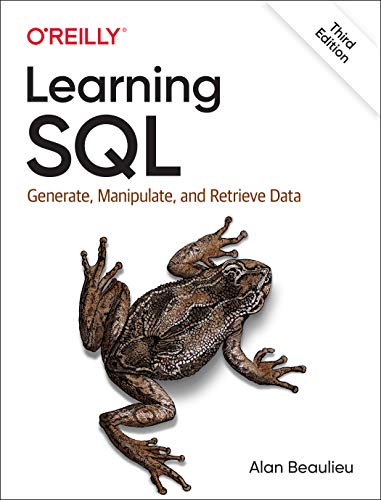
Learning SQL: Generate, Manipulate, and Retrieve Data
| SELLER | SELLER SCORE | AMAZON FULFILLED | PRIME | FREE SHIPPING |
|---|---|---|---|---|
| Amazon.com | 9.68 | Yes | Yes | Yes |
True data mastery requires more than just memorizing basic commands. It demands a deep understanding of how to actually manipulate and retrieve complex datasets. This O'Reilly Media guide moves past the surface-level tutorials that most beginners settle for, offering a structured approach to generating and managing data effectively. Instead of just skimming through syntax, you are guided through the actual logic required to handle real-world information architecture. It is a foundational resource for anyone looking to transition from a casual user to a proficient data professional. While the depth of technical detail is substantial, the progression remains logical enough to keep you from feeling overwhelmed as you build your skills.


| SELLER | SELLER SCORE | AMAZON FULFILLED | PRIME | FREE SHIPPING |
|---|---|---|---|---|
| Hippo Books | 9.95 | No | No | No |

| SELLER | SELLER SCORE | AMAZON FULFILLED | PRIME | FREE SHIPPING |
|---|---|---|---|---|
| Amazon.com | 9.68 | Yes | Yes | Yes |


| SELLER | SELLER SCORE | AMAZON FULFILLED | PRIME | FREE SHIPPING |
|---|---|---|---|---|
| indoobestsellers | 9.69 | No | No | No |


Ace the Data Science Interview: 201 Real Interview Questions Asked By FAANG, Tech Startups, & Wall Street
| SELLER | SELLER SCORE | AMAZON FULFILLED | PRIME | FREE SHIPPING |
|---|---|---|---|---|
| Amazon.com | 9.68 | Yes | Yes | Yes |
Most candidates prepare for data science roles by memorizing algorithms, yet they often fail because they cannot navigate the specific logic used by elite firms. Ace the Data Science Interview changes that dynamic by shifting the focus from theory to the actual tactical execution required in high-stakes environments. This collection of 201 questions provides a direct window into the interview styles used by FAANG companies, Wall Street giants, and agile tech startups. Instead of guessing what might come up, you are essentially looking at a blueprint of the industry's most challenging technical hurdles. It is less of a textbook and more of a strategic playbook designed to bridge the gap between academic knowledge and professional interview performance.

SQL: Easy SQL Programming & Database Management For Beginners, Your Step-By-Step Guide To Learning The SQL Database (SQL Series Book 1)
| SELLER | SELLER SCORE | AMAZON FULFILLED | PRIME | FREE SHIPPING |
|---|---|---|---|---|
| Amazon.com Services LLC | 0.00 | No | No | No |
Most aspiring data professionals settle for overwhelming, jargon-heavy textbooks that leave them more confused than when they started. This digital guide breaks that cycle by offering a streamlined, step-by-step path through the complexities of SQL programming. Instead of drowning in dense theory, you get a structured approach to database management that actually feels manageable for a beginner. It serves as an incredibly low-barrier entry point into the world of data. It is the kind of resource you want to have downloaded and ready the moment you decide to pivot your career toward data science or backend development. It transforms a daunting technical hurdle into a series of actionable learning milestones.


Oracle Database 12c SQL
| SELLER | SELLER SCORE | AMAZON FULFILLED | PRIME | FREE SHIPPING |
|---|---|---|---|---|
| Amazon.com | 9.68 | Yes | Yes | Yes |
Database administrators and serious SQL students require this specific McGraw-Hill Education resource to master the complexities of the 12c environment. Navigating relational database management can feel overwhelming without a structured roadmap, and this text provides exactly that technical foundation. Since this is a used copy in good condition, you are getting a high-level educational tool without the premium price tag of a brand-new textbook. It serves as a reliable desk reference for anyone needing to brush up on query optimization or schema design. While it is a specialized technical manual rather than a casual read, the clarity of the instruction makes it a solid investment for your professional library.

| SELLER | SELLER SCORE | AMAZON FULFILLED | PRIME | FREE SHIPPING |
|---|---|---|---|---|
| Amazon.com | 9.68 | Yes | Yes | Yes |

Professional Azure SQL Managed Database Administration: Efficiently manage and modernize data in the cloud using Azure SQL, 3rd Edition
| SELLER | SELLER SCORE | AMAZON FULFILLED | PRIME | FREE SHIPPING |
|---|---|---|---|---|
| Amazon.com | 9.68 | Yes | Yes | Yes |
Database administrators transitioning from on-premises environments to the cloud require this specific roadmap to avoid costly architectural mistakes. This third edition serves as a technical manual for anyone tasked with the high-stakes responsibility of modernizing data infrastructure within the Azure ecosystem. Instead of wading through scattered online tutorials, you get a cohesive strategy for managing and optimizing cloud-based SQL instances efficiently. It bridges the gap between traditional DBA skill sets and the specialized demands of managed services. At a price point, it is a practical investment for professionals who need to master cloud data modernization without the guesswork of trial and error.

SQL in a Nutshell: A Desktop Quick Reference
| SELLER | SELLER SCORE | AMAZON FULFILLED | PRIME | FREE SHIPPING |
|---|---|---|---|---|
| Amazon.com | 9.68 | Yes | Yes | Yes |
After weeks of use sitting at my desk, I have realized that having a physical reference guide can fundamentally change your workflow speed. SQL in a Nutshell: A Desktop Quick Reference serves as that essential companion for anyone navigating complex database queries without wanting to constantly toggle between browser tabs. It is designed to sit right alongside your keyboard, providing immediate access to syntax and commands when your focus is most intense. Instead of digging through documentation, you can glance down and find exactly what you need to keep your momentum going. It feels like a specialized tool for professionals who value precision and efficiency in their daily coding sessions.

Relational Theory for Computer Professionals: What Relational Databases Are Really All About
| SELLER | SELLER SCORE | AMAZON FULFILLED | PRIME | FREE SHIPPING |
|---|---|---|---|---|
| Amazon.com | 9.68 | Yes | Yes | Yes |
You are staring at a complex schema design at 2:00 AM, realizing that your database structure is failing because you lack a fundamental understanding of the underlying logic. This O'Reilly Media text serves as the essential bridge between basic SQL commands and true architectural mastery. Instead of just teaching you how to write queries, it dives into the actual mechanics of what relational databases are really about. Since this is a used copy in good condition, it is an incredibly cost-effective way to grab a heavy-hitting technical resource without the premium price tag of a brand-new edition. It is a must-have for any developer tired of patching broken data models and ready to build scalable, theoretically sound systems.

The primary driver for choosing a SQL database is the need for structured data and complex relationships. Before looking at specific engines, define your data model. If your data is highly relational—meaning entities have strict dependencies on one another (such as users, orders, and inventory)—a SQL database is non-negotiable. You must evaluate how the engine handles joins and foreign key constraints, as these are the mechanisms that ensure your data remains clean and logically consistent as it grows.
One of the most critical decision factors is how the database handles growth. Traditional relational databases are historically designed for vertical scaling (adding more CPU, RAM, or SSD capacity to a single server). While this is often sufficient for many applications and simplifies management, it has a hard ceiling. If your roadmap involves massive, global-scale write operations, you should look toward 'NewSQL' or distributed SQL solutions. These modern engines attempt to provide the ACID guarantees of traditional SQL while utilizing a distributed architecture to scale horizontally across multiple nodes.
Not all SQL databases are built for the same purpose. You must distinguish between Online Transactional Processing (OLTP) and Online Analytical Processing (OLAP):
The operational overhead of a database can consume significant engineering hours. A major decision factor is whether to deploy on-premises or use a fully managed cloud service. Managed services handle patching, automated backups, high availability, and failover, allowing your team to focus on schema design rather than server maintenance. However, self-hosting offers total control over configuration and can be more cost-effective for extremely large, specialized workloads where you need to tune the kernel or filesystem specifically for the database engine.
A database is only as good as its ecosystem. Consider the availability of drivers for your specific programming language, the maturity of ORM (Object-Relational Mapping) support, and the depth of the community. A database with a massive community means easier troubleshooting, more available plugins, and a larger pool of talent for hiring. If you choose an obscure engine to save on licensing costs, you may find yourself paying for it later in increased debugging time and specialized training.
Quick answers about Sql Databases before you buy.
Share of top-ranked products by brand, from our editorial analysis.
We've carried out a comprehensive analysis of 12 reviews on Sql Databases, using our selection criteria to identify the best options in the categories. Our findings reveal that most customers typically select Sql Databases priced around $32.00.
Our team of expert editors reviewed these high-quality items and handpicked the top 15 Sql Databases for your consideration..
We are dedicated to assisting our users in finding the right sql Products based on their needs, saving them considerable time when choosing which Sql Databases to buy. We take pride in the number of satisfied users we've helped through our thorough and insightful reviews.
Compare the top 15 picks at a glance — select a column to sort.


